
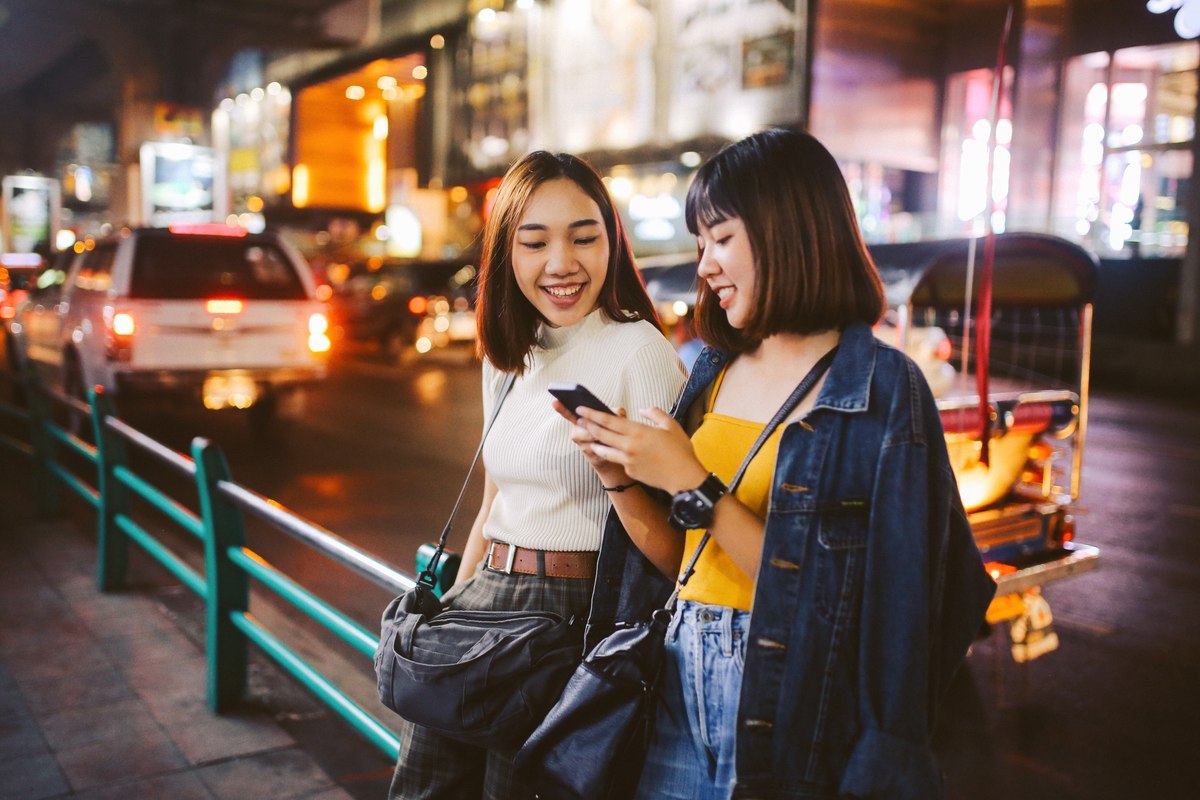
Social media has changed how people travel, and Thailand is a common feature in those travel posts. From food stalls in Bangkok to quiet island beaches, there’s plenty being shared. But these platforms don’t just influence where people go. They also affect how people plan and how they spend their time once they arrive.
For anyone planning to visit Thailand tourist attractions, there’s a good chance they’ve seen photos or short clips online. Many travelers map out their entire trip based on videos they’ve saved. One viral post can take a quiet corner and turn it into a packed photo stop overnight.
There are upsides and downsides to this. Social media can help you notice places you’d never have known about. But that often comes at the cost of the experience. Instead of exploring freely, visitors move from one trending spot to the next, often skipping anything that isn’t already being shared.
The push to get the perfect shot has changed priorities. Sometimes, people are more focused on recreating what they saw than actually enjoying where they are. It can feel rushed, with less time spent soaking up the moment.
Even so, social platforms have helped many small businesses. A single post can introduce a local restaurant or shop to thousands of people. That kind of attention can change someone’s entire season.
There’s also the benefit of seeing what a place is really like. Unlike a brochure, real posts often show the crowds, the queues, and the quiet details. It’s easier to decide what’s worth your time when you’ve seen it from someone else’s perspective.
The best approach is to stay flexible. Use what you’ve found online as a rough guide, then let the rest unfold on its own. You don’t have to visit every place you’ve saved. Some of the best moments happen when you step off the planned route.
Thailand has no shortage of places to explore. Not all of them are trending, and that’s a good thing. Travel is more rewarding when you let it be your own rather than trying to copy what’s already been done.