
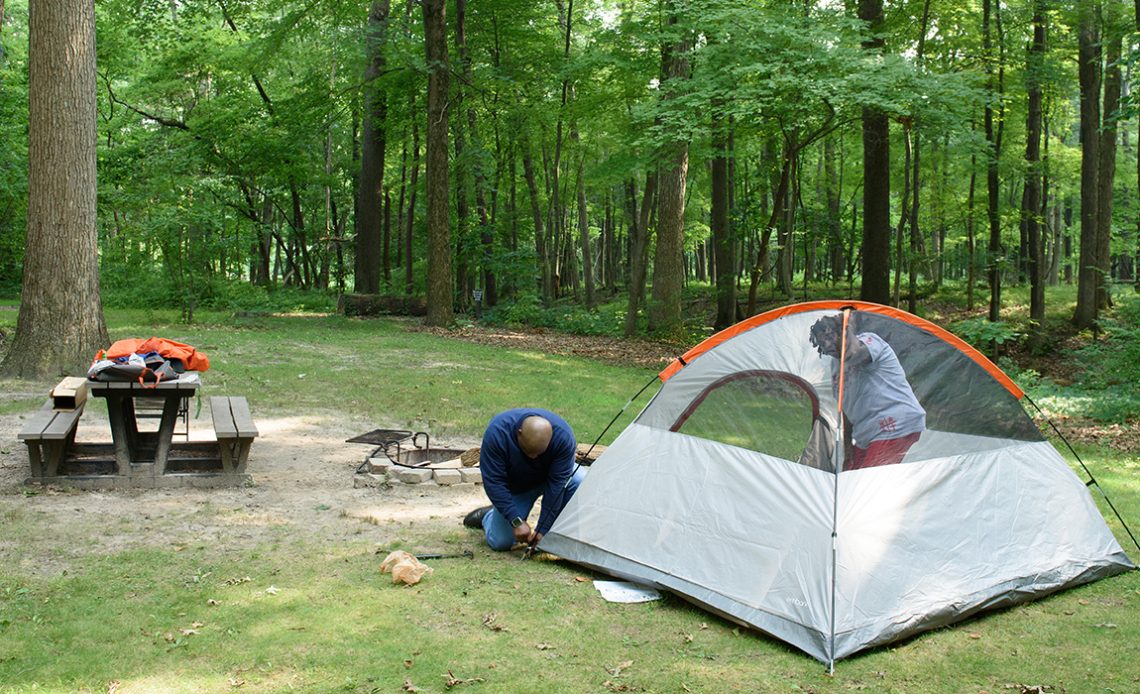
Camping invites people to slow down, breathe fresh air, and reconnect with nature. Whether it’s a weekend getaway or a long outdoor escape, spending time under open skies offers peace, adventure, and a refreshing break from routine.
Why Camping Matters
Camping is more than an outdoor activity—it is a way to reconnect with the natural world. It encourages reflection, improves mental well-being, and strengthens bonds with friends and family. Even simple moments like listening to a crackling fire or waking up to birdsong can create lasting memories.
Essential Elements of a Great Camping Experience
Choose the Right Campsite
A suitable campsite increases comfort and safety. Consider:
- Terrain level and dryness
- Proximity to water sources
- Availability of shade
- Safe distance from wildlife paths
Bring Functional Gear
Well-chosen gear ensures a smooth experience. Key items include:
- Sturdy tent and stakes
- Sleeping bag rated for local temperatures
- Portable stove or grill
- Headlamp or flashlight
- Multipurpose tools
Prioritize Safety
Every camper should understand basic safety practices:
- Check weather forecasts
- Store food securely
- Keep a first-aid kit
- Know emergency contacts or park ranger info
Benefits of Camping
Improves Mental and Emotional Health
Nature has a calming effect that reduces stress, anxiety, and digital overload. The simplicity of outdoor living helps clear the mind and encourages mindfulness.
Encourages Physical Activity
Camping often includes hiking, swimming, or gathering firewood. These outdoor movements support fitness and overall well-being.
Strengthens Relationships
Cooking together, sharing stories around a fire, and navigating challenges create deeper bonds between family members or friends.
Builds Self-Reliance
Setting up shelter, planning meals, and solving small issues are confidence-boosting moments that develop independence.
Popular Types of Camping
Tent Camping
A classic and accessible option suitable for parks, forests, and established campgrounds.
Backpacking
For those who enjoy traveling light and exploring remote trails. Requires endurance and careful packing.
Car Camping
Ideal for beginners—gear stays in or near the vehicle, offering convenience and comfort.
RV Camping
Great for long trips and families who prefer modern amenities like kitchens and beds while still enjoying the outdoors.
How to Make Camping More Enjoyable
Plan Simple Meals
Easy-to-cook dishes keep preparation quick and enjoyable. Think:
- Grilled vegetables
- Foil-pack meals
- Sandwiches
- Trail snacks
Stay Organized
Use labeled bags or containers to separate cooking tools, sleeping gear, and clothes. This reduces stress and makes everything easier to find.
Respect Nature
Follow Leave No Trace principles:
- Pack out what you bring in
- Keep noise low
- Protect plants and wildlife
FAQ
1. What’s the best time of year to go camping?
Spring and fall usually offer mild temperatures, fewer bugs, and pleasant conditions.
2. Do beginners need special training before camping?
No formal training is required, but learning basic skills like tent setup and fire safety is helpful.
3. How can I keep food safe outdoors?
Use sealed containers, store items in a cooler, and keep food away from sleeping areas.
4. What clothing should I bring for a camping trip?
Pack layers, weather-resistant outerwear, and comfortable footwear suited to the terrain.
5. Is camping safe for children?
Yes, with proper supervision, child-friendly gear, and safe campsite practices.
6. How do I stay warm at night while camping?
Use insulated sleeping bags, warm clothing layers, and sleeping pads for ground insulation.
7. How can I reduce bugs while camping?
Use insect repellent, choose breezy campsites when possible, and keep tents zipped closed.