


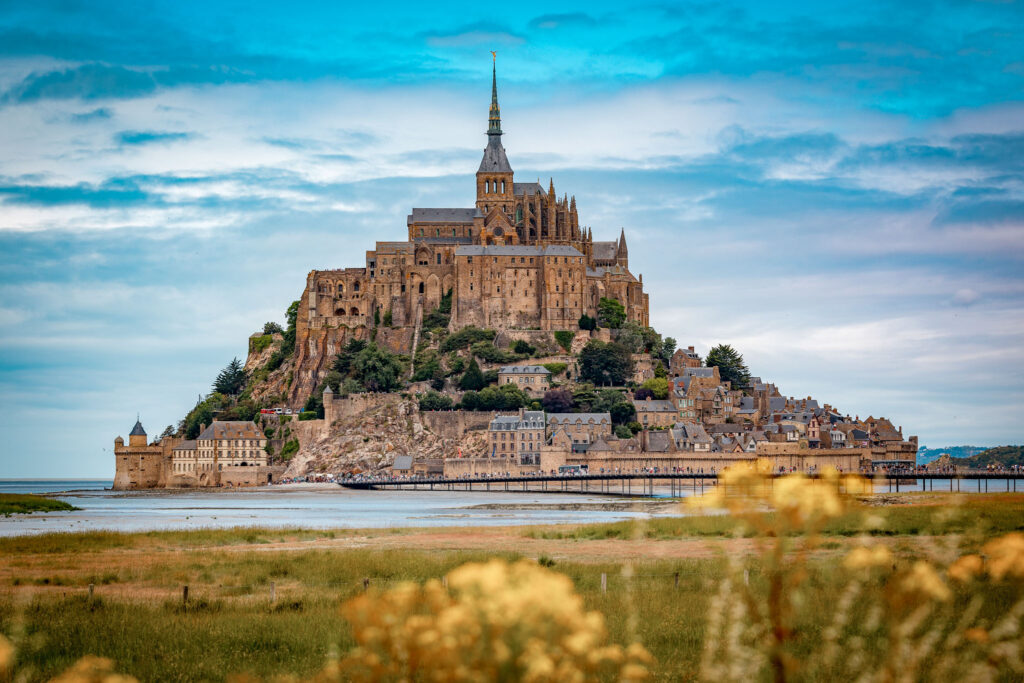
Catholic art has shaped some of the world’s most beautiful churches, museums, monasteries, and historic cities. From Renaissance paintings in Vatican City to golden mosaics in Venice and dramatic sculptures in Spain, sacred art helps visitors encounter the stories, saints, and teachings of Christianity through visual beauty.
For believers, viewing Catholic art can be a form of spiritual reflection as well as a cultural experience. A painting of the Virgin Mary, a carved crucifix, or a cathedral covered in biblical images can invite prayer and reveal how different generations expressed their faith.
Whether you are planning a Catholic pilgrimage or an art-focused vacation, these are some of the best places to see Catholic art around the world.
- Vatican Museums, Vatican City
The Vatican Museums contain one of the most important collections of religious art in the world. Their galleries bring together ancient sculpture, Renaissance masterpieces, tapestries, maps, devotional objects, and works collected by popes over several centuries.
The Sistine Chapel is the most famous part of the visit. Michelangelo’s ceiling presents scenes from Genesis, while The Last Judgment covers the wall behind the altar. The scale and emotional intensity of the artwork make the chapel unforgettable.
Visitors can also explore the Raphael Rooms, the Pinacoteca, and galleries containing works by artists such as Giotto, Leonardo da Vinci, Caravaggio, and Fra Angelico. Reserve tickets in advance and allow several hours for the visit.
- Saint Peter’s Basilica, Vatican City
Saint Peter’s Basilica combines Catholic faith, art, and architecture on an extraordinary scale. Michelangelo’s Pietà, located near the entrance, portrays Mary holding the body of Christ with remarkable tenderness.
At the center of the basilica, Bernini’s monumental baldachin rises over the papal altar. Sculptures, mosaics, tombs, chapels, and decorative details appear throughout the vast interior.
Because the basilica is an active place of worship, visitors can experience the art within its intended spiritual setting. Attend Mass or spend time in prayer to appreciate the difference between encountering sacred art in a church and viewing it in a museum.
- The Uffizi Gallery, Florence
The Uffizi Gallery is one of the best destinations for understanding the development of Italian religious painting. Its collection includes major works from the medieval and Renaissance periods.
Visitors can see images of the Annunciation, the Nativity, the Crucifixion, and the Virgin and Child interpreted by different artists. Works by Giotto, Botticelli, Leonardo da Vinci, Raphael, and other Italian masters show how religious art changed through the centuries.
Botticelli’s graceful figures and luminous colors are particularly memorable. The gallery is large and popular, so purchasing a timed ticket can make the experience easier.
- Basilica of Saint Francis, Assisi
The Basilica of Saint Francis offers an important combination of pilgrimage and artistic discovery. Frescoes throughout the complex present biblical scenes and episodes from the life of Saint Francis.
The Upper Basilica is bright and spacious, while the Lower Basilica has a darker, more intimate atmosphere. Together, they create a visual journey through Franciscan spirituality, the life of Christ, and the history of the Church.
After viewing the frescoes, pilgrims can descend to pray at the tomb of Saint Francis. This connection between art, place, and devotion makes Assisi one of the most meaningful Catholic art destinations in Italy.
- Scrovegni Chapel, Padua
The Scrovegni Chapel is famous for Giotto’s fresco cycle depicting the lives of the Virgin Mary and Christ. The scenes are admired for their emotional clarity, human expressions, and storytelling.
Giotto presents sacred figures not as distant symbols but as people experiencing grief, love, fear, and hope. This makes the biblical narrative immediately accessible, even to visitors without extensive knowledge of art history.
Access is carefully controlled to protect the frescoes, and advance reservations are normally essential. Although the chapel is small, it contains one of the most influential achievements in Western religious art.
- Saint Mark’s Basilica, Venice
Saint Mark’s Basilica reflects Venice’s historic relationship with both Western and Byzantine Christianity. Its domes and walls are covered with golden mosaics that illustrate stories from Scripture and the lives of saints.
The shimmering surfaces change as light moves through the basilica, creating an atmosphere that feels mysterious and sacred. The Pala d’Oro, a richly decorated golden altarpiece, is another highlight.
Visitors should look beyond the basilica’s famous exterior and spend time studying the mosaics overhead. Modest clothing is required, and photography restrictions should always be respected.
- Prado Museum, Madrid
The Prado Museum contains an outstanding collection of Catholic art from Spain and other parts of Europe. Its religious paintings reveal a wide range of styles, from quiet devotional scenes to powerful images of martyrdom, sacrifice, and divine glory.
The collection includes works by El Greco, Velázquez, Zurbarán, Murillo, Raphael, Titian, and Rubens. El Greco’s elongated figures and dramatic colors give his sacred subjects a distinctive spiritual intensity.
Spanish religious painting often communicates deep emotion and realism. Visitors may find that these works encourage reflection on suffering, mercy, repentance, and hope.
- Sagrada Família, Barcelona
The Basilica of the Sagrada Família demonstrates how Catholic art and architecture can communicate Scripture through an entire building. Designed by Antoni Gaudí, the basilica is filled with Christian symbols drawn from nature, the Bible, and Catholic teaching.
The Nativity façade celebrates the birth and early life of Christ with abundant detail. The Passion façade presents Christ’s suffering through sharper, more severe forms. Inside, branching columns and colored light create the impression of standing in a sacred forest.
Although the basilica remains a modern architectural landmark, its design is deeply rooted in Catholic theology.
- Chartres Cathedral, France
Chartres Cathedral is celebrated for its medieval stained glass. Its windows use color, light, and detailed imagery to present biblical stories, saints, trades, and scenes from Christian life.
The cathedral’s famous blue glass creates an atmosphere that changes throughout the day. Visitors should walk slowly around the interior and observe how the windows were designed to teach the faith visually.
Chartres also has a long association with Marian devotion. Its combination of pilgrimage tradition, Gothic architecture, sculpture, and stained glass makes it one of Europe’s most important sacred art destinations.
- Metropolitan Museum of Art and The Met Cloisters, New York
Travelers do not need to visit Europe to encounter important Catholic art. The Metropolitan Museum of Art in New York contains paintings, sculptures, manuscripts, vestments, reliquaries, and devotional objects from Christian history.
The Met Cloisters, located in Upper Manhattan, focuses on the art and architecture of medieval Europe. Its chapels, courtyards, stained glass, sculptures, and religious objects create a peaceful environment that feels separate from the pace of the city.
These collections can help American visitors explore Catholic art before planning a larger European pilgrimage.
Bring Sacred Art into Everyday Life
The experience of Catholic art does not need to end when the trip is over. Prints, icons, crucifixes, saint images, and small devotional objects can bring sacred beauty into a home prayer space. Those interested in Italian religious art and handcrafted devotional pieces can explore the collections available through Holyart.
Choose pieces that encourage prayer rather than treating them only as decoration. A meaningful image can become part of family traditions, seasonal devotions, or daily moments of reflection.
Experience Catholic Art with Reverence
Catholic art was often created to teach, inspire, and support worship. When viewing it inside a church, remember that the building is an active sacred space. Dress appropriately, speak quietly, and avoid interrupting Mass or private prayer.
Museum visitors can deepen the experience by reading the biblical passages connected to important works. Learning about the saint, event, or doctrine represented in an image often reveals details that might otherwise be missed.
The best places to see Catholic art allow beauty and faith to meet. Whether you are standing beneath Michelangelo’s Sistine Chapel ceiling or watching sunlight pass through the windows at Chartres, take time to look slowly. Sacred art can transform a sightseeing experience into an encounter with history, creativity, and spiritual meaning.