
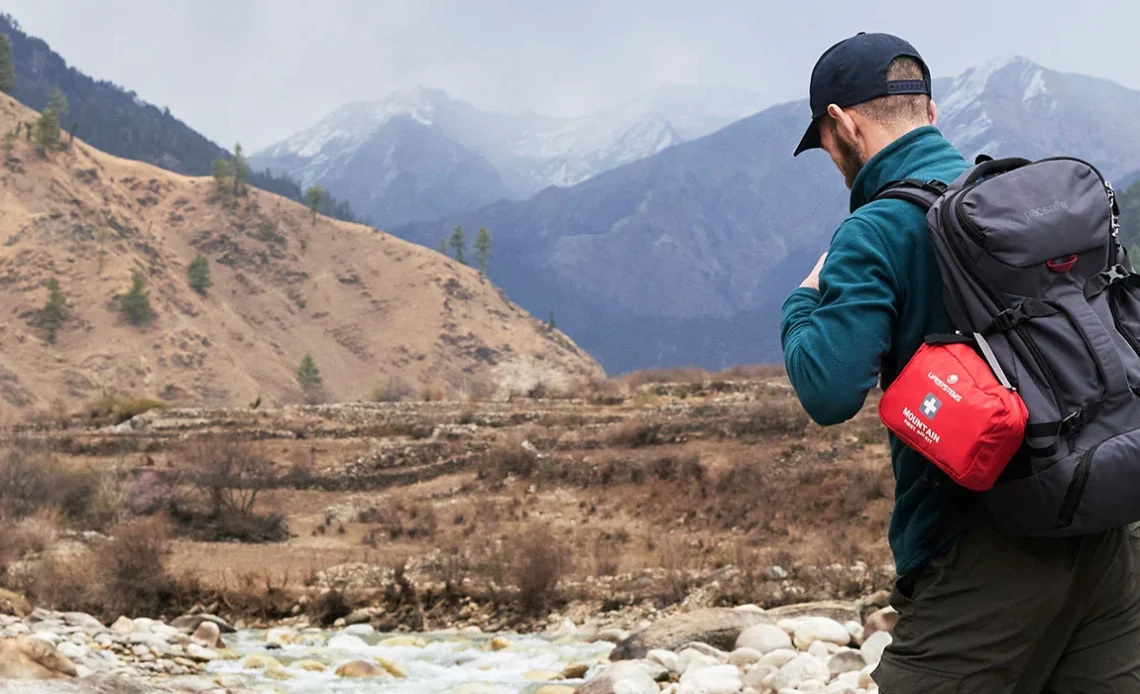
There is a distinct kind of silence that settles in when you are miles away from the nearest paved road, cellular tower, or medical clinic. Whether you are navigating a rugged backcountry trail in the Pacific Northwest, overlanding through remote desert tracks, or multi-day trekking in an isolated alpine valley, the realization that you are entirely self-reliant brings a sharp focus to your preparation. In these environments, minor scrapes, twisted ankles, and sudden gastrointestinal issues transform from simple inconveniences into genuine operational challenges.
Most commercial first-aid kits sold in standard retail stores are designed for urban emergencies or mild suburban day hikes. They are packed with dozens of tiny adhesive bandages, a single packet of antiseptic ointment, and little else. While adequate for a scraped knee at a local neighborhood park, these generic kits are woefully inadequate for remote adventure travel where professional medical help could be hours or even days away.
Assembling a reliable medical kit for remote expeditions requires a shift in mindset. You are not just packing supplies for a quick fix; you are curating a portable emergency room tailored to the specific risks of your environment, your duration away from civilization, and your group size. By understanding the core principles of wilderness medicine and building a kit methodically, you ensure that a solvable mishap never escalates into a catastrophic emergency.
The Core Philosophy of Wilderness Medicine
Before packing a single bandage or pill, you must understand the primary objective of a remote first-aid kit: stabilization, comfort, and evacuation management. When you are deep in the backcountry, the goal of first aid is rarely to cure an ailment completely. Instead, it is to stop immediate life threats, manage pain, prevent infection, and keep an injured traveler stable while you coordinate self-evacuation or wait for search and rescue teams.
This reality dictates how you pack and organize your gear. Every single item in your kit must justify its weight and volume. It must serve a distinct purpose, and ideally, it should have multiple uses. Furthermore, carrying advanced medical equipment without the training to use it safely is a dangerous liability. Your kit should match your level of wilderness first aid certification. If you do not know how to pack a serious wound, manage a major fracture, or administer specific medications safely, pack training and reliable barrier devices rather than complex surgical tools.
Environmental Risk Assessment and Customization
No two remote adventures are identical. A high-altitude mountaineering expedition in sub-freezing temperatures demands an entirely different medical setup than a multi-day kayaking trip along a humid tropical coastline. Before you purchase any supplies, conduct a thorough risk assessment of your specific itinerary.
Consider the prevailing climate, the types of terrain you will encounter, local wildlife hazards, and the physical demands of the activity. If you are traveling through dense brush in tick-infested regions, your tick removal tools and barrier protections become critical priorities. If your route involves river crossings or rugged scree fields, robust trauma supplies and joint stabilization materials take center stage. Tailoring your kit to the specific geography of your trip ensures you never waste precious pack space on irrelevant items while leaving critical gaps unprotected.
Trauma and Wound Management
The most frequent medical incidents in remote environments involve soft tissue damage. Scrapes, deep lacerations, puncture wounds, and severe blisters are practically guaranteed on extended expeditions. Treating these injuries effectively in the field is vital to prevent debilitating infections.
Cleaning and Irrigation
The single most important step in treating a wound in the wilderness is aggressive irrigation. Bacteria left inside a cut can multiply rapidly in warm, dirty conditions. Your kit must include a high-pressure irrigation tool, such as a specialized 35-milliliter irrigation syringe with an angiocatheter tip, paired with sterile saline bullets or clean drinking water. Flushing dirt, grit, and foreign debris out of the tissue layers prevents localized infections long before they require antibiotics.
Closure and Dressing Supplies
Once a wound is thoroughly cleaned, you need the right materials to protect it. Ditch the flimsy adhesive strips that peel off the moment skin gets damp or sweaty. Instead, pack heavy-duty cloth bandages, sterile gauze pads in various sizes, non-adherent Telfa pads, and medical-grade paper or cloth tape.
Include a roll of elastic wrap or self-adherent cohesive bandage, which provides incredible versatility. Cohesive tape sticks only to itself rather than skin or hair, making it phenomenal for securing dressings over active joints or wrapping sprained ankles without causing discomfort during removal. For deep lacerations that require professional closure, adding butterfly closures or sterile skin-stapling devices can buy precious time, though traditional steri-strips combined with proper bandaging are usually the safest approach for untrained travelers.
Blister Prevention and Management
On foot-based adventures, foot care is healthcare. A severe, untreated blister can render a traveler completely immobile, transforming a fun expedition into a grueling ordeal for the entire group. Prevention is always superior to treatment, but you must be prepared for both.
Pack a dedicated blister kit featuring moleskin, second-skin hydrogel pads, medical tape, and antiseptic wipes. Moleskin applied at the very first sign of a hot spot—that subtle friction burn before a fluid-filled bubble forms—can save a trip. If a blister does develop, sterile lancets allow you to drain the fluid safely while leaving the overlying skin intact to act as a natural protective barrier against dirt and bacteria.
Medications and Symptom Management
Carrying a well-stocked pharmacy is essential for maintaining morale and managing minor systemic issues that can ruin an adventure. When you are active all day, a pounding headache, an upset stomach, or relentless seasonal allergies can drain your energy and impair your judgment.
Pain and Inflammation Relief
Include both acetaminophen and a non-steroidal anti-inflammatory drug like ibuprofen. Ibuprofen works exceptionally well for reducing swelling from soft tissue injuries and inflammation from sore muscles, while acetaminophen provides an alternative option for fever management or headaches.
Gastrointestinal Support
Stomach issues are among the most common ailments travelers face in remote areas, often triggered by unfamiliar water sources, questionable food handling, or environmental stress. Pack broad-spectrum anti-diarrheal medication, oral rehydration salts, and multi-symptom relief tablets for acid reflux and gas. Severe dehydration resulting from gastrointestinal illness can quickly become a medical emergency in remote settings, making electrolyte replacement packets an absolute non-negotiable inclusion.
Antihistamines and Personal Prescriptions
Always carry a fast-acting oral antihistamine like diphenhydramine or cetirizine to manage unexpected allergic reactions to insect stings, plant oils, or food ingredients. If any member of your adventure group has known severe allergies or chronic medical conditions, ensure their personal rescue medications—such as epinephrine auto-injectors or daily prescription drugs—are stored securely within the primary kit and easily accessible to everyone in the party.
Essential Tools and Survival Gear Integration
A first-aid kit is only as effective as the tools used to deploy its contents. Your medical pouch should include a compact set of stainless steel trauma shears capable of cutting through thick denim, webbing, or bootlaces in an emergency. Add a pair of precision fine-point tweezers for splinter and tick removal, along with several pairs of nitrile gloves to protect both the patient and the rescuer from blood-borne pathogens.
Furthermore, remote medical kits should seamlessly bridge the gap between first aid and general survival. Always tuck a space blanket or thermal emergency bivy sack into your medical pouch. If an injured traveler experiences shock, their body loses the ability to regulate temperature effectively. Wrapping them in a thermal blanket can prevent rapid hypothermia, which is a major danger even in moderate climates when activity stops due to injury.
Packaging, Organization, and Waterproofing
Even the most thoughtfully curated medical kit is useless if its contents are water-logged, disorganized, or buried at the very bottom of a heavy pack. Organization can mean the difference between calm, efficient treatment and panicked fumbling during a high-stress crisis.
Choose a brightly colored, durable, water-resistant or waterproof pouch. Red is the universal color for medical supplies, making the kit instantly identifiable to anyone searching through your gear in low light or emergency conditions. Inside the pouch, use clear, labeled Ziploc bags or dedicated modular mesh pockets to separate supplies into logical categories: trauma and bleeding, medications, instruments, and blister care. Clear packaging allows you to instantly visually verify that supplies are intact and locate what you need without dumping the entire contents onto muddy ground.
Maintenance and Pre-Trip Inspection
Building a kit is not a one-time task; it is an ongoing practice of maintenance and preparedness. At least twice a year, empty your remote first-aid kit entirely and inspect every single item. Check expiration dates on all medications, ointments, eye drops, and sterile saline solutions. Replace anything that has expired, degraded, or been consumed during previous trips.
Additionally, review your kit before every major departure to ensure it aligns with the specific environment you are entering. By treating your first-aid kit as a living, dynamic system rather than static gear, you guarantee that when the unexpected happens miles from civilization, you are fully prepared to handle it with confidence.