


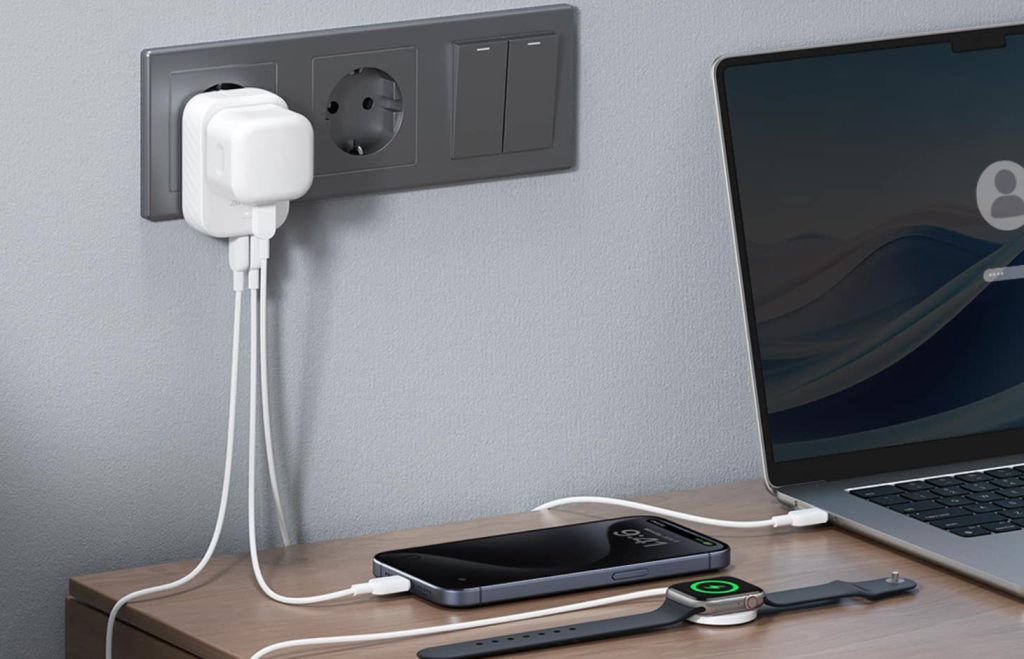
Packing for an international trip involves an intricate balance of clothing, travel documents, and electronic devices. Between smartphones, tablets, e-readers, laptops, cameras, and grooming tools, modern travelers carry an entire mobile office in their luggage. However, the moment you cross international borders, you immediately confront a frustrating technological hurdle: electrical outlet standards change dramatically across the globe.
Standing in a foreign hotel room with a dead smartphone and a plug that refuses to fit into the wall socket is a universal travel frustration. In a rush to solve the problem, many travelers grab the first electrical accessory they find online or at an airport kiosk, assuming that all international charging gear is essentially the same. This misunderstanding can lead to fried electronics, ruined appliances, or worse, electrical fires.
The most common and dangerous mistake travelers make is confusing plug adapters with voltage converters. While both devices deal with foreign electricity, they serve entirely different functions. Knowing the precise difference between the two, understanding your device specifications, and selecting the correct gear will protect your valuable electronics and ensure your journey remains powered up.
The Core Difference: Adapters Versus Converters
Before you purchase any electrical gear for your next trip, you must grasp the fundamental distinction between an adapter and a converter. They look completely different, they perform entirely different tasks, and using the wrong one can instantly destroy your favorite electronics.
What Is a Plug Adapter?
A plug adapter is a purely mechanical device. It does not alter electrical current, change voltage, or modify electricity in any way. Its sole purpose is to bridge the physical gap between the prongs of your device plug and the shape of a foreign wall socket.
Different regions of the world utilize unique physical plug configurations, ranging from the flat parallel blades common in North America to the thick round pins used across continental Europe or the three rectangular prongs standard in the United Kingdom. If your North American laptop charger has flat prongs, it simply will not fit into a round European wall socket. An adapter acts as a mechanical bridge, allowing your plug to fit securely into the physical outlet while passing the local electrical current straight through to your device.
What Is a Voltage Converter?
A voltage converter, by contrast, is an active electronic device designed to change the electrical voltage coming out of the wall. This distinction is critical because global electrical grids operate on vastly different voltage standards.
North America runs on an electrical standard of 110 to 120 volts. However, a large portion of the world—including Europe, Asia, Africa, and Australia—operates on a much higher standard of 220 to 240 volts. If you plug a device designed exclusively for 120 volts directly into a 240-volt foreign wall socket using only a physical adapter, the excessive electrical pressure will instantly overload the appliance, causing it to smoke, pop, melt, or burn out permanently. A voltage converter steps that incoming high-voltage current down to match the requirements of your device.
Decoding Your Device Labels: Dual-Voltage Versus Single-Voltage
To figure out whether you need a simple plug adapter, a voltage converter, or both, you need to read the fine print on your electronic devices. Every appliance, charger, and power brick features a small label detailing its electrical specifications.
Identifying Dual-Voltage Appliances
Look closely at the power brick of your laptop charger, your smartphone charging block, your camera battery charger, or your tablet adapter. Search for the input specification text, which will usually read something like
Input: AC 100V-240V, 50Hz/60Hz.If your device displays a voltage range spanning from 100 volts to 240 volts, it is a dual-voltage appliance. This means the internal circuitry of the device is engineered to automatically adapt to whichever electrical voltage it is plugged into. For modern personal electronics like smartphones, laptops, e-readers, and cameras, almost all chargers are dual-voltage. For these items, you only need a simple plug adapter to travel anywhere in the world.
Identifying Single-Voltage Appliances
If the label on your device reads
Input: 120V with no mention of 240 volts, you are holding a single-voltage appliance. These devices are built to operate exclusively on North American electrical standards.Single-voltage appliances are most commonly found in heating devices and motor-driven personal care tools. This category includes traditional hair dryers, curling irons, flat irons, electric toothbrushes, and certain specialized grooming equipment. If you plug a single-voltage hair dryer directly into a European outlet using only a physical adapter, it will overheat and burn out within seconds. For these high-draw heating appliances, you either need a heavy-duty voltage converter or, much more practically, a dual-voltage travel-specific version of the appliance purchased for international use.
Navigating Global Plug Types and Socket Standards
Understanding voltage is only half the battle; you also need to ensure your physical plugs match your destination. Electrical standards vary widely across global regions, and packing the wrong adapter leaves you stranded.
Type A and Type B: North America and Beyond
Type A plugs feature two flat parallel blades and are standard across the United States, Canada, Mexico, and parts of Central America and Japan. Type B plugs include the same two flat parallel blades accompanied by a third round grounding pin. While Type B plugs will often fit into Type A sockets, Type A plugs may not always fit into grounded Type B receptacles in modern installations.
Type C, E, and F: Continental Europe
Continental Europe relies primarily on Type C plugs, which feature two round pins, alongside grounded variations like Type E and Type F. These plugs are used across France, Germany, Spain, Italy, Scandinavia, and dozens of other European nations.
Type G: The United Kingdom, Ireland, and Hong Kong
The United Kingdom, Ireland, Singapore, Hong Kong, and parts of the Middle East utilize Type G plugs. These are bulky, heavy-duty plugs featuring three large rectangular prongs arranged in a triangular pattern. Type G sockets also feature built-in safety shutters and individual power switches, making them some of the safest and most robust electrical connections in the world.
Universal Adapters Versus Regional Adapters
When purchasing adapters for international travel, investing in a universal all-in-one travel adapter is almost always the best choice. These compact devices feature a clever system of sliding switches and retractable prongs that can transform into Type A, Type C, Type G, or Type I configurations depending on the country you are visiting.
However, be cautious with universal adapters regarding weight and bulk. Some larger models can be heavy and tend to sag or fall out of loose wall sockets, particularly older European or Asian outlets. For trips focused on a single country or region, purchasing a dedicated regional plug adapter block is often lighter, more secure, and less cumbersome.
Special Considerations for High-Wattage Appliances
The biggest danger zone in international travel electricity involves high-wattage heating appliances like hair dryers, styling irons, and travel kettles. These devices draw massive amounts of electrical current compared to low-wattage electronics like phones and laptops.
Even if you purchase a heavy-duty step-down voltage converter, high-wattage hair dryers often exceed the capacity limits of standard portable travel converters, which typically max out around 50 milliliters or 100 watts. Attempting to run a 1,500-watt hair dryer through a standard travel converter will trip circuit breakers, blow fuses, or ruin the converter entirely.
The smartest travel strategy is simple: leave high-wattage heating appliances at home. Most modern hotels—even modest ones—provide hair dryers in the guest rooms. If you require specific styling tools, purchase inexpensive dual-voltage travel versions designed specifically to handle international currents safely without external converters.
Essential Safety Checklist for International Power Management
Before plugging any electronic device into a foreign wall socket for the first time, run through a quick mental safety check to ensure your gear remains protected.
-
Verify the Voltage: Always inspect the input label on every device power brick to confirm it supports dual voltage (100V–240V) before traveling abroad.
-
Inspect the Adapter: Check your plug adapters for cracks, loose prongs, or exposed metal before packing. Damaged adapters can cause short circuits.
-
Avoid Overloading: Do not daisy-chain power strips or plug multiple high-draw devices into a single portable adapter simultaneously.
-
Unplug When Not in Use: Unplug chargers and adapters when you leave your hotel room, protecting your equipment from power surges and electrical storms.
By understanding the vital differences between voltage converters and plug adapters, decoding your device labels, and packing thoughtfully for your specific destination, you eliminate the risk of electrical mishaps. Proper preparation ensures your devices stay charged, your equipment remains safe, and your focus stays entirely on enjoying your journey.